If Australia is on your shortlist for studying abroad or building an international career, a policy change just landed that could reshape your timeline, your budget, and even which course you choose. It's not the kind of headline that shows up on job boards, but it directly affects anyone hoping to turn an Australian degree into long-term work there.
The Short Version
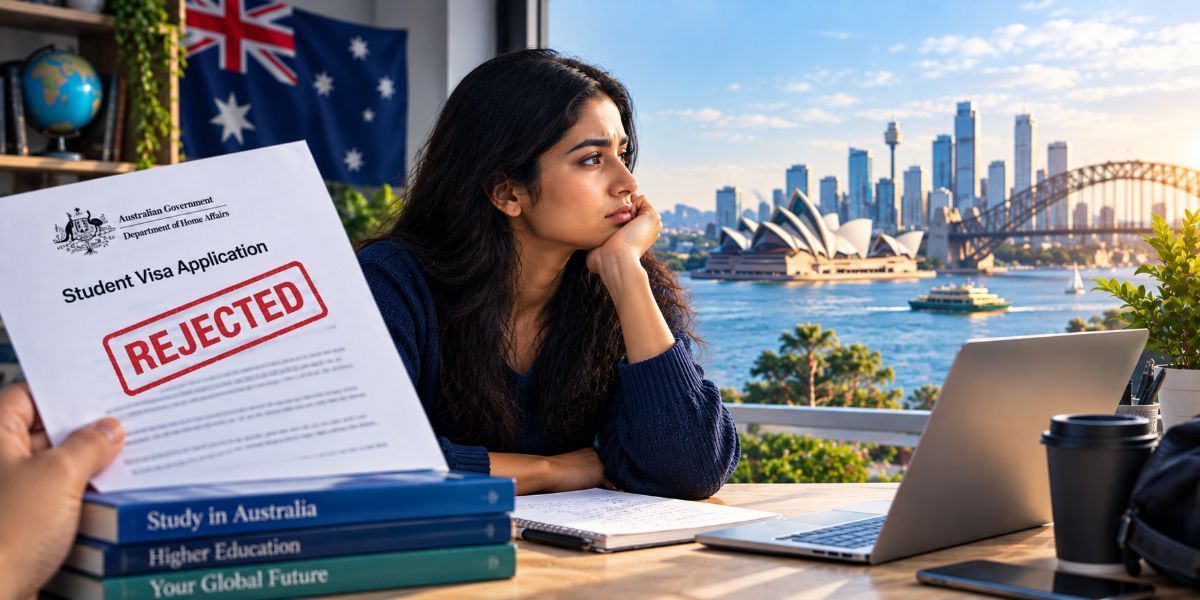
Australia is cracking down on international students bringing family members with them. Most students will no longer be able to bring dependants at all, with exemptions limited to PhD candidates, students from Pacific and ASEAN countries, and those on DFAT, Defence, or foreign government scholarships.
The part that catches a lot of people off guard: even if you fall into an exempt group, your family members will be permanently blocked from later joining you on a Student or Temporary Graduate visa as a secondary applicant, once your own visa is granted. This isn't a temporary rule — it applies to current and future visa holders, whether you're already in Australia or still planning your move.
If you're already studying in Australia, grandfathering provisions are meant to protect you from family separation. If you haven't left yet, don't count on that protection extending to you.
Why Job Seekers Specifically Need to Pay Attention
This visa change is one part of a bigger tightening of Australia's migration system. The government wants to cut net overseas migration to 245,000 next year and 225,000 the year after, while somehow still admitting 295,000 international students. Those two numbers don't easily fit together — and migration expert Abul Rizvi has warned that the gap will likely be closed through visa refusals, which have already risen sharply since late 2025.
What that means practically: getting your student visa approved in the first place may get harder before it gets easier. If your career plan depends on studying in Australia, then moving onto a Temporary Graduate visa, then finding an employer to sponsor you for permanent residence, every step in that chain is currently under more scrutiny than it was a year ago.
The Course You Choose May Matter More Than You Think
Here's the detail most students overlook: Australia doesn't currently publish a clear list of which qualifications actually lead to strong job and visa outcomes. Rizvi has pointed out that this creates two very different experiences:
- 1) Graduates in genuine skills-shortage fields tend to move smoothly from study, to a skilled job, to a graduate visa, to permanent residence.
- 2) Graduates in fields without labour market demand often get stuck wanting to stay longer without a clear pathway — cycling through temporary visas without ever landing a stable outcome.
If a formal, annually updated list of priority qualifications and occupations gets introduced — something Rizvi has explicitly recommended, tied to the same list used for skilled visa invitations — it could become one of the most useful tools international students have for choosing a course with real career payoff, rather than guessing.
What to Do If You're Planning an Australia Move
- 1) Don't plan around bringing family later, even if you currently qualify for an exemption. The secondary-applicant restriction closes that door for good once your visa is granted.
- 2) Research skills-shortage occupations before picking a course. A degree tied to genuine labour market demand gives you a far smoother path to a graduate visa, sponsorship, and permanent residence.
- 3) Build extra time into your visa planning. With refusal rates elevated, approval isn't guaranteed on your first attempt, and timelines can slip.
- 4) Talk to a registered migration agent before committing, especially if your plans involve a partner or children — the family-visa rules are still being finalised and could change again before taking effect.
- 5) Track the Temporary Graduate visa closely. It's the bridge between your degree and a real job in Australia, and it's likely to see further changes as the government works out how to hit its migration targets without gutting its student numbers.
Australia is still a strong destination for international students chasing a genuine skilled career — but the rules of entry are getting stricter, and the margin for error is shrinking. Going in with a clear-eyed view of which courses, visas, and timelines actually work in your favour is more important now than it's been in years.