Most coverage of Deloitte's newly released Tech Trends 2026 report is written for executives. But flip the perspective, and the report is really a preview of what jobs in New Zealand are about to look like — which makes it worth reading if you're job hunting, considering a career change, or just trying to figure out which skills are about to become valuable.
Here's what it actually means for you.
Companies Are Buying AI Tools Faster Than They're Hiring People Who Can Use Them
The single most telling number in the report: 93% of AI spending in New Zealand businesses goes toward technology, while only 7% goes toward people and skills. For job seekers, that's not just a stat — it's a signal. Employers are rolling out AI systems faster than they're building the internal capability to run them well, which means there's a growing gap between the tools companies own and the people who know how to actually get value from them.
That gap is an opening. Candidates who can show they understand how to work alongside AI tools — not just use them casually, but apply them to redesign how a task or process gets done — are going to stand out precisely because so few organisations have invested in developing that skill set internally.
The Jobs Moving Fastest Aren't All Desk Jobs
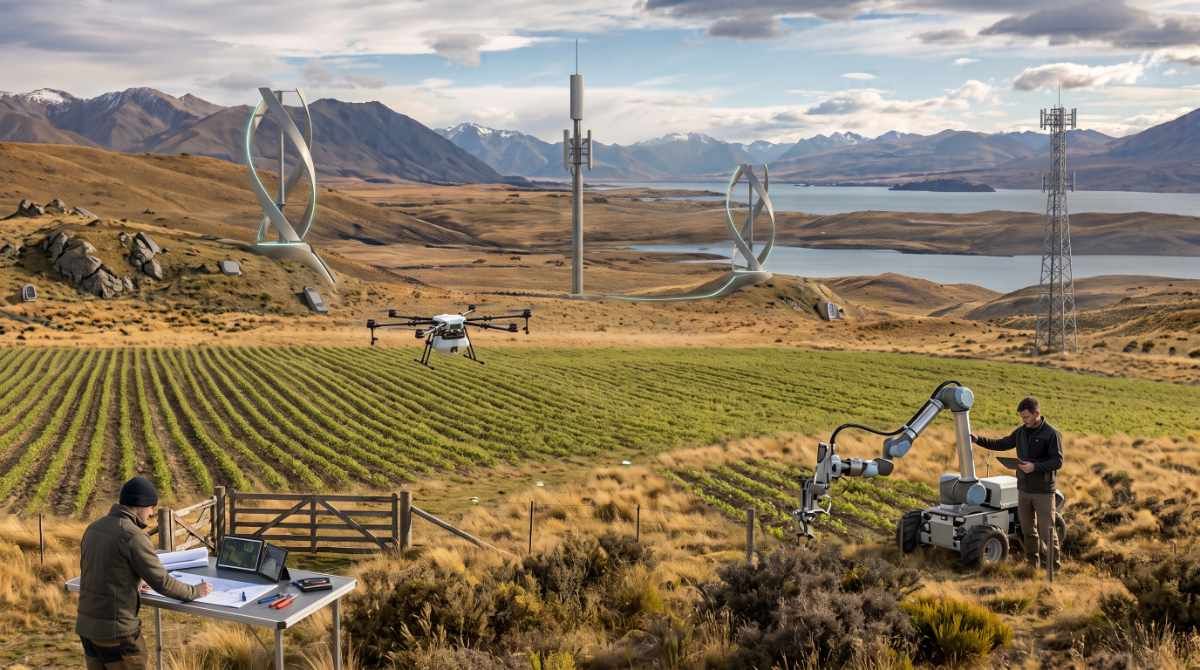
Deloitte points to the rise of "physical AI" — robots and autonomous systems moving beyond warehouses into agriculture, utilities, healthcare support, transport, and infrastructure inspection. Drones inspecting power lines and autonomous airfield checks are given as real examples already happening in New Zealand.
If you've assumed AI-driven job growth is only about software and data roles, this is worth reconsidering. New Zealand's geography — dispersed population, remote infrastructure, distance from major markets — is creating demand for people who can operate, maintain, and troubleshoot automated and robotic systems in the field, not just from behind a screen. Technical and trades-adjacent roles tied to automation are quietly becoming some of the more resilient job categories on offer.
Don't Just List "AI Skills" on Your CV — Show You Understand Process, Not Just Prompts
The report warns that many organisations are stuck in "shallow AI adoption" — adding chatbots and copilots without changing the workflows underneath, producing visible activity without real productivity gains. Deloitte notes that globally only around one in eight organisations has managed to get agentic AI genuinely into production.
For job seekers, the practical takeaway is this: employers are starting to notice the difference between someone who can operate an AI tool and someone who can redesign a process using one. If you're building your skills or updating your CV, the more valuable story to tell isn't "I've used ChatGPT" — it's an example of a task, workflow, or problem you actually restructured with AI as part of the solution. That's the capability Deloitte says is scarce, and scarce skills are the ones that get you hired.
Cybersecurity Is Quietly Becoming an Everyone-Skill, Not Just a Specialist One
Deloitte also flags that AI is accelerating the speed and scale of cyberattacks, with automated tools helping bad actors move faster than human security teams can respond — and warns that as more physical infrastructure depends on digital systems, the operational stakes of cyber incidents keep rising.
This isn't only relevant if you're targeting a cybersecurity career. Basic security literacy is becoming a more explicit expectation across roles that touch digital or automated systems, from healthcare to transport to infrastructure. Candidates who can speak to this, even in a general or applied sense, add a small but real point of differentiation.
The Bigger Picture
Deloitte's message to employers was blunt: the era of AI experimentation is over, and advantage now goes to organisations that redesign how work gets done. Read as a job seeker, the same logic applies to your career strategy. The market is rewarding people who can demonstrate real, applied capability — not just tool familiarity — at a moment when most employers have far more AI technology than they have AI-literate people to run it. That imbalance is exactly the kind of gap a well-positioned job search should be aimed at.