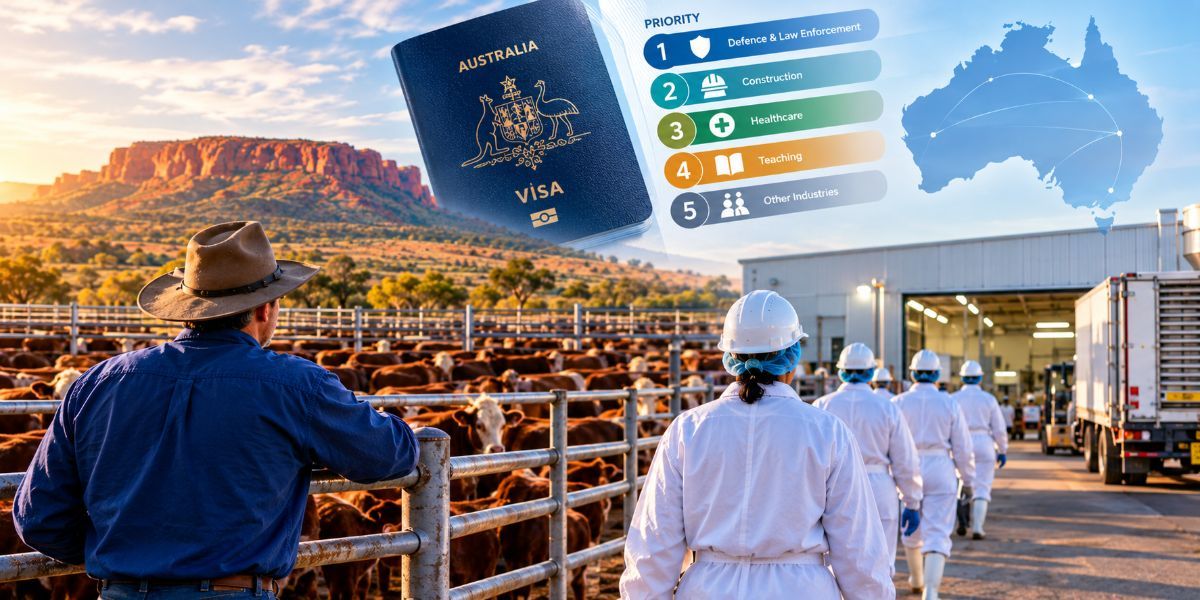
While immigration officials and industry groups argue over visa processing timelines, there's a more immediate story for anyone actively job hunting in Australia right now: regional employers are short-staffed heading into peak season, and that gap has to be filled by someone.
The Department of Home Affairs has paused processing of Working Holiday Maker (WHM) visa applications from 24 countries, cutting into the pipeline of backpackers that farms, wineries and tourism operators normally count on for seasonal work. Farmers already recruiting for harvest say they've noticed fewer working holiday candidates available, even before the pause was officially confirmed. Whatever the politics behind it, the practical result is straightforward: seasonal roles that would normally be filled by incoming backpackers are sitting open.
If you're looking for work — especially flexible, seasonal, or regional work — this is worth paying attention to.
Where the opportunity actually is
Regional and seasonal industries are the ones feeling this shortage most directly, which means they're also the ones most likely to be actively recruiting right now, with less competition than usual from the backpacker labour pool they'd normally draw on.
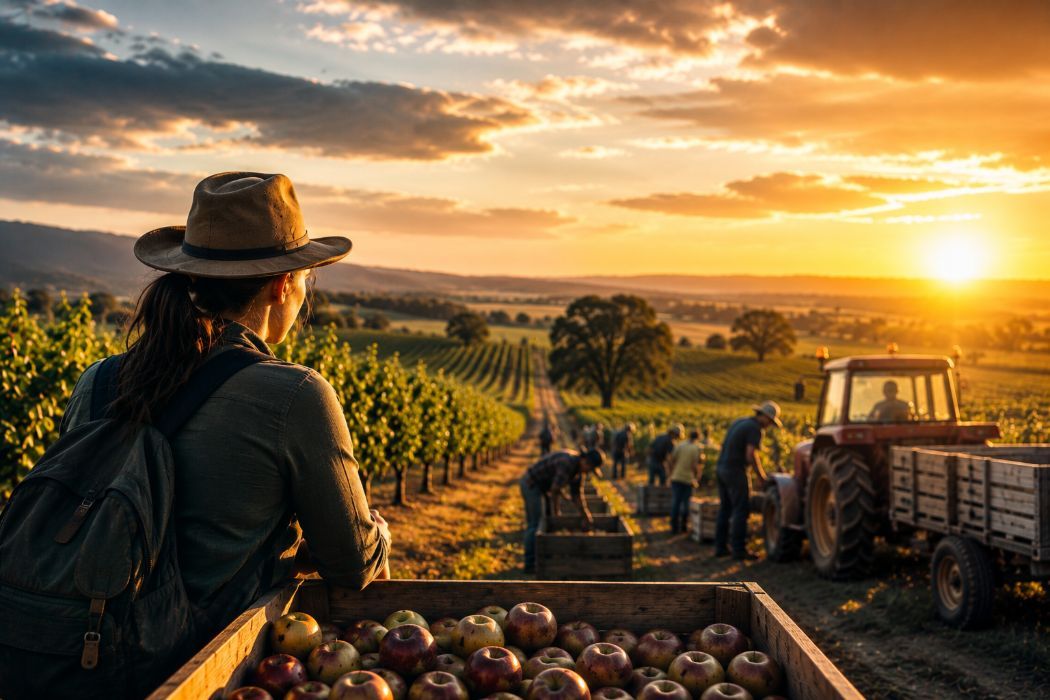
- 1) Agriculture and harvest work — Grain, horticulture and viticulture operations across regions like WA's South West and Wheatbelt are heading into harvest with a smaller-than-expected seasonal workforce. These roles often come with accommodation provided, competitive pay for peak periods, and minimal experience requirements to start.
2) Regional hospitality and tourism — Pubs, tourism operators and hospitality venues in regional areas that typically rely on backpacker staff through summer are facing the same gap. If you're open to relocating for a season, this is a genuine window of opportunity with less competition than a normal year.
3) Roles with flexible or short-term arrangements — Employers scrambling to cover a labour gap are often more open to non-traditional arrangements: shorter commitments, flexible start dates, or fast-tracked onboarding, simply because they need people in place quickly.
Who this is relevant for
- 1) Domestic job seekers open to regional relocation. If you've been considering a change of scene, this is a moment when regional employers are actively looking to fill roles they'd normally have covered through WHM arrivals.
- 2) Visa holders already in Australia on other visa categories with work rights — including partner visas, student visas with work entitlements, or graduate visas — who may not have previously considered seasonal or regional roles.
- 3) WHM visa holders already onshore from non-paused countries, who may find increased demand and improved negotiating position given the tighter overall labour pool.
- 4) Career changers looking for a fresh start, since many of these roles prioritise reliability and willingness to work over specific prior experience.
How to position yourself for these roles
Employers dealing with an unexpected labour shortfall are typically prioritising speed and reliability over a polished resume. A few practical moves can put you ahead:
1) Apply directly and quickly rather than waiting for the "perfect" listing — many regional employers are filling roles faster than usual right now.2) Highlight flexibility and availability clearly in your application. If you can start immediately or commit to a full season, say so upfront.
3) Check your visa work rights if you're not on a WHM visa yourself — many visa categories permit exactly this kind of seasonal work, and it's an underused option right now.
4) Look beyond the usual job boards. Regional employers often recruit through local networks, agricultural associations and word of mouth as much as major platforms — casting a wider net matters more than usual during a labour crunch.
5) Be ready to talk logistics. Employers filling urgent gaps will often ask about accommodation needs, transport and start dates early — having clear answers ready speeds up the process.
The bottom line for job seekers
Policy pauses and processing delays tend to get covered as an industry problem or a political story. For anyone actively job hunting, it's worth reading differently: a temporary but real gap in the regional labour market, opening up opportunities that might not be there once the visa pipeline catches up. If seasonal, regional or agricultural work is on your radar at all, this is a good time to start looking.