If you're planning to work your way around Australia on a Working Holiday Maker visa, the rules of the game just changed — and it's worth understanding exactly how before you book a flight or commit to a farm job. Major reforms to the visa system mean the path from a first-year visa to a second or third year is no longer the straightforward deal it used to be.
The Old Deal Is Gone
Previously, working holiday makers who put in 88 days of regional or remote work could count on qualifying for a second-year visa extension. That guarantee has been replaced with a ballot system — meaning even workers who complete the required days aren't assured a spot. The numbers make the shift clear: second-year places are being cut from 57,000 to 45,000, and third-year places are dropping dramatically, from 31,000 to just 5,000.
Translation for job seekers: farm work that once functioned as a reliable stepping stone to a longer Australian stay is now a gamble. If your plans depend on a second or third year in the country, it's worth going in with realistic expectations about the odds.
Visa Processing Is Also Taking Longer
On top of the ballot changes, applications that used to take days to process are now taking roughly three months. If you're timing a move to Australia around a specific harvest season, this delay alone could mean missing the work window you were counting on. Anyone planning a working holiday trip right now should build in significant lead time before applying — waiting until just before you want to start work is no longer realistic.
Where the Work Actually Is Right Now
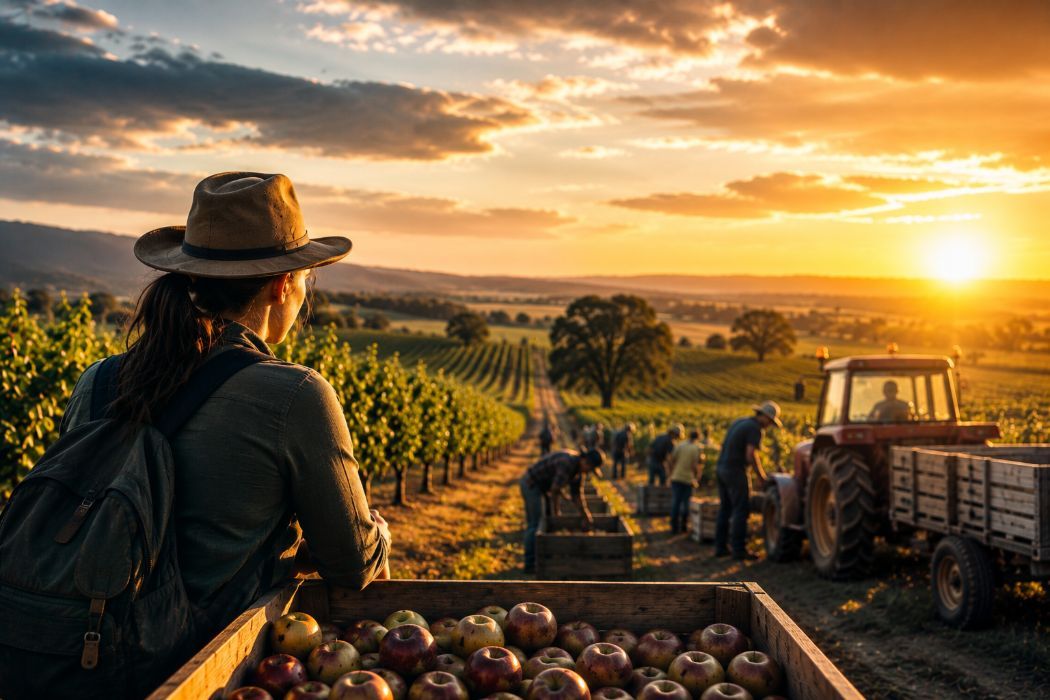
Despite the policy shake-up, the demand for workers hasn't disappeared — if anything, farmers are more short-staffed than ever heading into the Christmas harvest. Berry picking is already underway in New South Wales and ramping up in Victoria and Tasmania. Citrus, mango, lychee and cherry harvests are also approaching, alongside the summer grain season. For job seekers who can get their visa sorted in time, that demand means genuine opportunity and potentially more competitive pay as growers compete for scarcer labour.
A New Pathway Worth Watching: Skilled Visas
The most interesting development for anyone considering a longer-term future in Australian agriculture isn't about backpacker visas at all — it's the news that agriculture is being added to the skilled worker visa list. Details are still emerging on exactly which roles will qualify, but for job seekers with relevant experience or willing to build it, this could eventually open a far more stable route into Australian agricultural work than the backpacker circuit ever offered. It's a space worth checking back on as eligibility criteria are confirmed.
Quick Tips If You're Planning a Working Holiday
- 1) Apply early. With processing now taking around three months, don't wait until close to your intended start date.
- 2) Don't bank on a second or third year. Budget and plan your trip around the guaranteed first year, and treat any extension as a bonus.
- 3) Target harvest windows strategically. Berries, citrus and summer grain regions are actively short-staffed right now — go where the need is greatest.
- 4) Keep an eye on the skilled visa list. If you're serious about a long-term move into agriculture, this could become a more secure pathway than working holiday extensions.