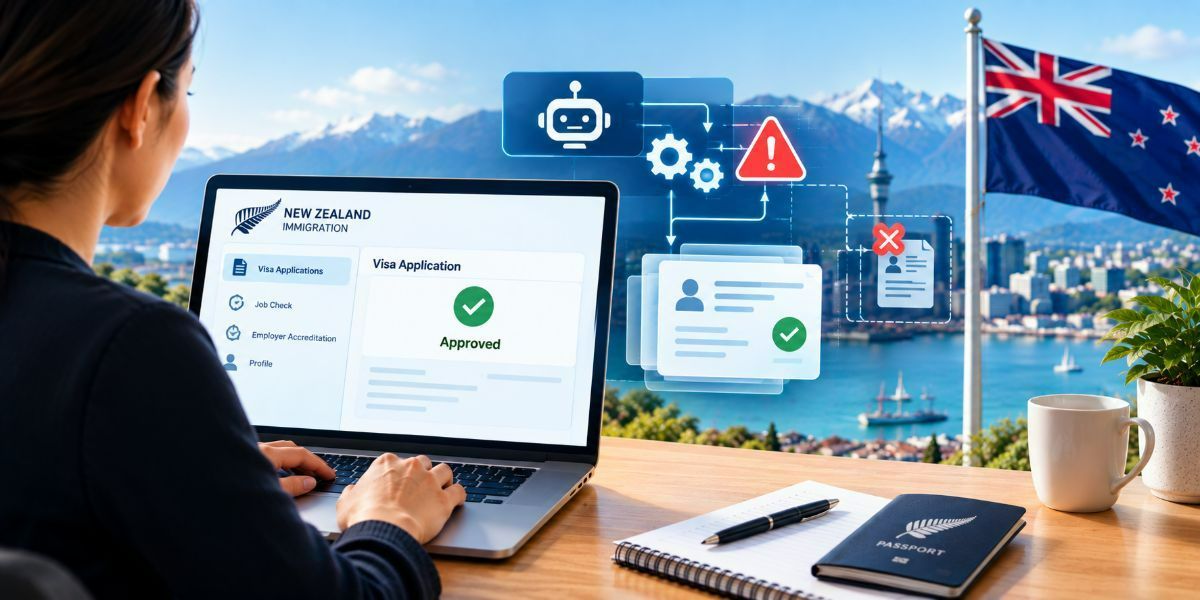
Picture two people moving to a new country with nothing but a plan and a visa. One arrives to start their own business from scratch. The other arrives with a job already lined up. New Zealand's recent immigration overhaul — and the research behind it — makes it painfully clear which one has better odds, and the reasoning applies far beyond entrepreneurs.
What Happened
New Zealand recently shut its Entrepreneur Work Visa to new applicants, replacing it with a Business Investor Visa that requires migrants to put NZ$1 million (or NZ$2 million for a faster track) into a business that's already running, rather than starting one of their own. The government's own explanation was straightforward: too few people applied, too many got rejected, and the ones who got through didn't generate the economic results officials had hoped for.
Buried in that explanation is a bigger truth about what actually makes a move abroad work.
Why Arriving with a Plan Isn't the Same as Arriving with a Foothold
Researchers spent time with highly skilled immigrant entrepreneurs who'd already built businesses in New Zealand, and what they found should reframe how anyone thinks about moving countries for work. The visa itself was rarely the problem. What actually derailed people was showing up with no existing relationships in the local market — no investor contacts, no established customers, no one to vouch for them.
Founders who arrived with strong track records and international connections still had to rebuild credibility from zero once they landed. Many found it easier to keep working through contacts overseas than to break into New Zealand's local networks. Some had already left the country by the time the study wrapped up, and a larger group was seriously weighing it, not because the visa process failed them, but because the local support they needed to grow simply wasn't accessible once their ambitions outgrew what they'd started with.
The Lesson for Job Seekers, Not Just Founders
Here's the part that matters if you're job hunting rather than founding a company: everything that made these entrepreneurs struggle is exactly what a job offer solves before you even land.
Starting a business abroad means building your entire local network — clients, partners, investors, credibility — from a standing start, often while also learning how a new country's systems, culture, and unwritten rules actually work. Landing a job abroad means someone has already extended you that network. You get colleagues on day one, an existing employer relationship that vouches for you locally, and a paycheck that isn't contingent on you successfully breaking into a market you've never operated in.
That's not a small difference. It's the exact gap the New Zealand research identifies as the real reason ambitious, well-connected entrepreneurs still struggled and, in some cases, left.
What This Means If You're Planning a Move Abroad
If relocating for work is on your radar, the smartest move isn't necessarily the boldest one. Before choosing between "go start something" and "go get hired," it's worth being honest about what each path actually demands:
- 1) Going in with a job already secured means you inherit a network, a routine, and local credibility from day one — the exact things the entrepreneurs in this study had to build the hard way.
- 2) Going in without one lined up means you're personally responsible for building trust, relationships, and opportunity in a place where you likely have none yet.
For most people, especially on a first move abroad, having an employer already backing you is the difference between spending your first year settling in versus spending it starting over from scratch. That's why lining up real opportunities before you relocate — not after — consistently produces better outcomes than betting everything on building something from nothing in an unfamiliar market.
Start With the Job, Not the Gamble
New Zealand's policy shift is really just a government admitting the same thing career advisors have said for years: talent and ambition aren't enough on their own. Having a foothold — a role, a team, a reason people already trust you — is what turns a move abroad into a career step forward instead of a costly gamble.